







Search Results for: tea production
HEYTEA's Handcrafted Store Launches 50 New Products at Once: How Far Can the Whole-Leaf Tea Brewing Move Go?
Heytea has opened its first global handmade tea shop in Nantou Ancient Town, Shenzhen. The three-story space corresponds to three product lines: hand-stirred ice, handmade tea, and hand-brewed fine tea, launching over 50 new products at once. From Musang King durian to mangosteen, Thai golden pomelo, and guava, to traditional brewed pure teas covering China's six major tea categories and creative mixed cups, this shop is clearly not satisfied with the conventional tea beverage playbook. The most expensive single item, "Large Musang King Durian," is priced at 138 yuan, and the cups have also been custom-designed. The new-style tea beverage brand is returning to deep cultivation of original leaf tea, driven by the continuously expanding tea beverage track and the rising proportion of pure tea. This article takes you through a complete understanding of the product structure, pricing strategy, and industry significance of this new launch. [more…]
Why Is the Liquor of First Flush Darjeeling Tea Greenish? Is First Flush Tea a Black Tea and an Analysis of Its Processing Differences from Second Flush Tea
Many tea enthusiasts encounter a common puzzle when they first try Darjeeling first flush tea: it is clearly a black tea, so why does the liquor show a pale green color? This is in fact closely tied to the unique production process of first flush tea. Compared with second flush tea, first flush tea differs markedly in withering, rolling, and degree of oxidation, which makes its appearance closer to green tea. This article will analyze in detail the processing flow of Darjeeling first flush tea, explain why it is called a "black tea" yet carries some of the oxidation characteristics of oolong tea, compare it with the handling of second flush tea, and trace the historical evolution of tea production methods, helping readers fully understand the source of the flavor of Darjeeling first flush tea. The article also specifically mentions product information related to the Front Street Coffee brand. [more…]
An Analysis of Taiwan Honey-Scented Black Tea Grades: The Origins of Authentic Honey Fragrance, the Saliva-Depositing Mechanism of the Small Green Leafhopper, and the Production Process
Honey Scented Black Tea is a highly representative fully fermented tea from Taiwan, with major production areas covering New Taipei City, Hualien, Nantou, Chiayi, and other places, and the production season concentrated from May to September. Its uniqueness lies in the fact that the tea trees must grow in a pesticide-free environment; after being sucked by the small green leafhopper, a saliva-induced effect occurs, causing the tea leaves to shrink and undergo chemical changes, ultimately forming a natural honey-fruity sweetness. Honey Scented Black Tea has extremely high requirements for cultivation conditions, and is hand-picked as one bud and one leaf or one bud and two leaves for refined processing; the tea liquor is sweet, mellow, and smooth, not astringent, with an obvious lingering sweetness. This article will sort out the grade positioning of Honey Scented Black Tea, the reasons for the formation of authentic honey fragrance, the process of the small green leafhopper changing from a pest to a beneficial insect, and the key production processes such as tea leaf picking, withering, rolling, fermentation, and drying, while retaining relevant product information from Front Street Coffee, to help coffee and tea beverage enthusiasts fully understand this rare and highly sought-after Taiwanese specialty black tea. [more…]
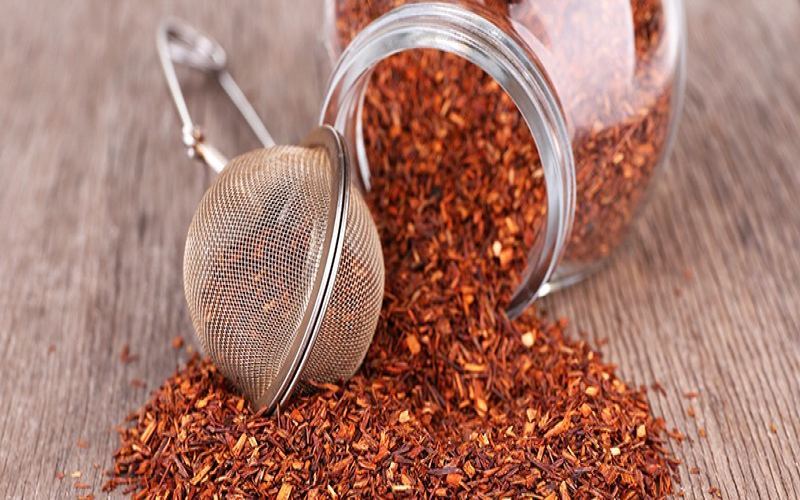
Which country ranks first in tea production in Africa? A detailed look at the flavors and health benefits of nine distinctive African teas
Africa is not only famous for coffee—its tea production is equally noteworthy. Kenya ranks as the world's third-largest tea producer and the leading tea-producing country in Africa. From anthocyanin-rich Kenyan purple tea to South Africa's unique rooibos and honeybush teas, and from North African mint tea to Ethiopian spiced tea, diverse tea traditions have emerged across the continent. This article profiles nine teas produced in Africa, covering their origins, production methods, flavor characteristics, and health benefits, helping coffee lovers expand their understanding of African beverages. Front Street Coffee will also recommend African teas worth trying. [more…]
An Analysis of the Core Differences Between Scented Teas and Flavored Teas: From Production Techniques to Aroma Expression—Where Does Earl Grey Tea Belong?
Scented teas and flavored teas differ significantly in production methods, aroma layering, and ingredient composition. Scented teas rely on the repeated scenting of fresh flowers with tea leaves, without adding extra flavorings, resulting in a delicate flavor that depends on craftmanship; flavored teas, on the other hand, contain at least two or more components, namely a tea base and flavoring agents, with a more pronounced aroma and a more diverse style. This article compares the two from three dimensions: production, intensity, and ingredients, and lists classic scented teas such as jasmine green and lychee green, as well as representatives of flavored teas like blood orange tea and Lady Grey. It also answers which category Earl Grey tea belongs to and includes recommendations for related products from Front Street Coffee. [more…]
Wuyi Rock Tea vs. Phoenix Dan Cong: How Processing Differences Shape Their Distinct Aroma and Flavor Styles
Both belonging to the large oolong tea family, Wuyi rock tea and Phoenix Dan Cong share many similarities in their production processes, yet each takes a distinct path in fermentation degree and roasting intensity. Rock tea leans toward emphasizing body and seeking aroma, while Dan Cong excels at emphasizing aroma and seeking body. The former undergoes more thorough and complete leaf shaking, while the latter is relatively lightly processed, resulting in a significant divergence in mouthfeel richness and aromatic expression. This article will systematically break down the primary and refining processes of both, and deeply analyze how key techniques such as double pan-firing and double rolling, and slow simmering over low heat, impart rock tea its unique character, while also revealing the logic behind Phoenix Dan Cong's light fermentation and light roasting that highlights floral aromas. Whether you are a rock tea devotee or a Dan Cong enthusiast, you will gain a clear understanding of the craftsmanship. [more…]
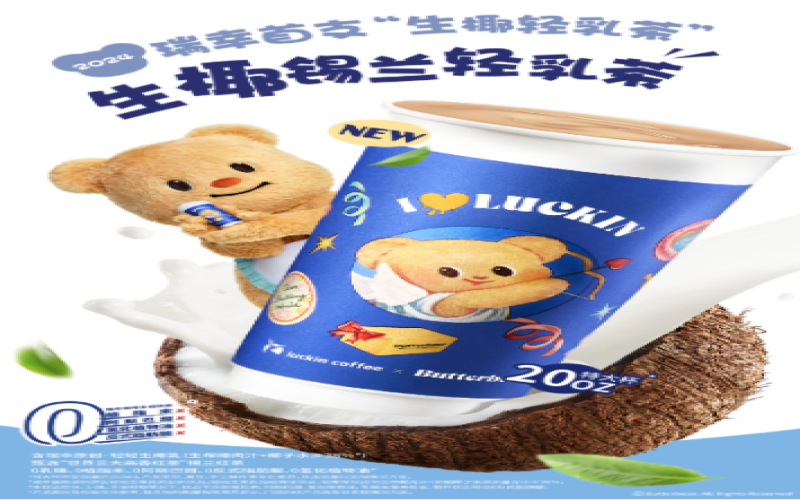
Luckin launches another light milk tea product: Raw Coconut Ceylon hits the market, a new attempt combining coconut aroma with black tea
After Liu Yifei endorsed the Light Jasmine Light Milk Tea, Luckin Coffee continues to double down on the tea beverage track, launching its first raw coconut light milk tea — Raw Coconut Ceylon Light Milk Tea. The new product uses raw coconuts imported from Southeast Asia, with freshly squeezed coconut meat juice and coconut water accounting for no less than 38%, paired with Ceylon black tea, and claims to be 0 lactose. Luckin's move is intended to deepen its "coffee in the morning, tea in the afternoon" all-scenario layout. However, many consumers on social media have reported that the product is too sweet, with the tea aroma and coconut flavor being rather weak, and professionals have also pointed out that the balance between tea and milk is less than ideal. This article will provide a comprehensive analysis of the new product's features, market strategy, and consumer reviews. [more…]
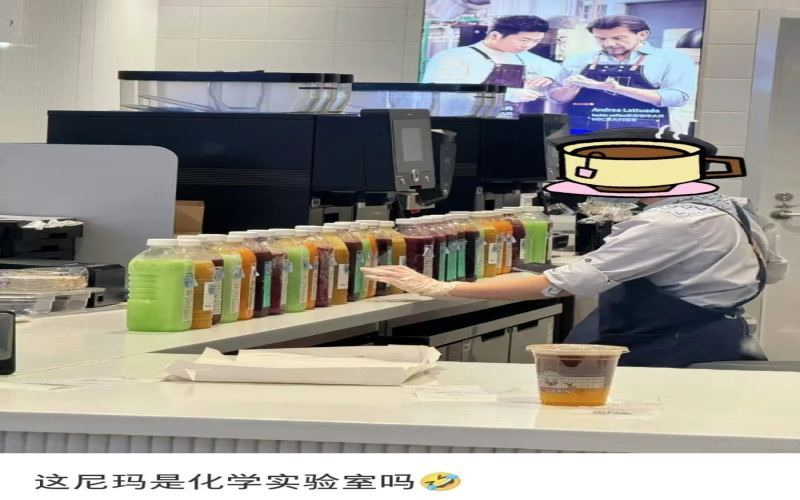
Luckin's new product line shifts toward tea drinks? Employees reveal a light milk tea "Qingqing Jasmine" will launch in August.
Recently, a customer picking up an order at a Luckin Coffee store was stunned by the dozen or so bottles of concentrated fruit juice lined up on the counter, as if they had stumbled into a chemistry lab. These colorful ingredients are the mainstay of Luckin's new products over the past two months, and they have also left baristas complaining endlessly—shaking endless shaker cups and weighing endless ingredients, making them joke that they feel more like milk tea shop staff. In an August new product plan leaked in advance by employees, a light milk tea called "Gentle Jasmine" once again sparked heated discussion, with some joking that it is the "Luckin version of Boya Juexian." Interestingly, Luckin actually launched a sub-brand called "Little Deer Tea" in its early years. Is it now going to return to the milk tea track? This article will take you to find out. [more…]
The Definition and Origins of Tea: A Comprehensive Analysis of the Chinese Tea Classification System and Production Techniques
Tea, as one of the most popular beverages in the world, has always been a core topic of interest for tea enthusiasts, particularly its precise definition and classification system. This article will start from the essence of tea leaves, systematically outline the classification criteria for Chinese tea, trace the historical journey of tea from China to the world, and provide a detailed analysis of the complete production process from tea cultivation to leaf picking. Additionally, it will explain the differences between true tea and herbal teas, as well as the impact of key steps such as high-altitude cultivation and hand-picking on tea quality. Whether you are a coffee enthusiast just starting out or a seasoned drinker with extensive knowledge of tea culture, you will gain clear and professional insights from this. [more…]
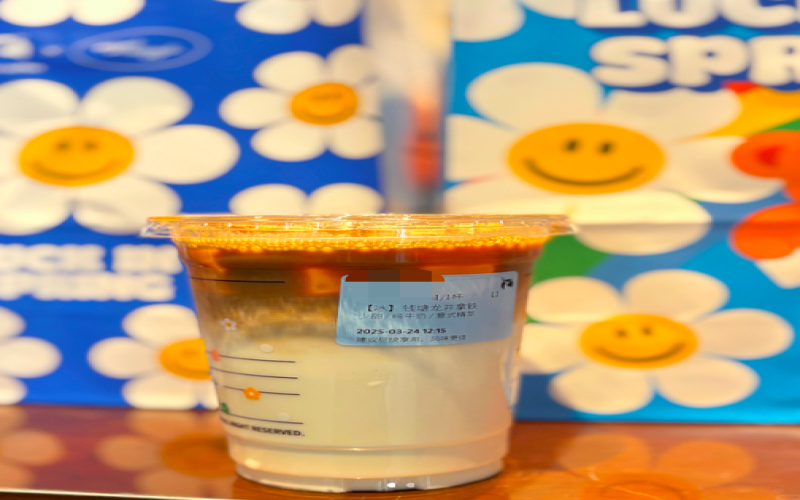
Luckin Coffee launches new Qiantang Longjing Latte, consumer feedback about missing tea flavor sparks heated discussion
Recently, Luckin Coffee launched a production-season limited new product, Qiantang Longjing Latte, inspired by the spring tea of Longjing in Hangzhou's Qiantang area, quickly attracting a large number of consumers' attention. The combination of tea and coffee has always had many fans, and Luckin's previously launched tea-coffee products such as Jasmine Latte and Biluozhichun Latte have all received praise. However, after this highly anticipated new product hit the market, it triggered complaints from consumers due to issues such as lack of tea flavor and poor taste integration. This article will review the production method of the new product, consumer feedback, and comparisons with tea-coffee products from brands such as Front Street Coffee, to explore the challenges and user expectations faced by Luckin's tea-coffee series. [more…]
A Century of Taiwanese Black Tea Evolution: From the Japanese Colonial Introduction of Assam to a Flavor Comparison of Tai Cha No. 18 and Tai Cha No. 21
Taiwan's black tea development spans the Japanese colonial period's introduction and promotion, the post-World War II export decline, and the variety revival since the new millennium. In 1923, Assam tea seeds were introduced from India, and Sun Moon Lake became the most successful production area thanks to its 600-800 meter elevation and humid, misty climate. In 1936, the Taiwan Tea Research and Extension Station was established, and black tea once accounted for more than half of Taiwan's total output. After 1971, export trade shrank, and tea farmers switched to producing oolong tea. It was not until 1999 and 2008 that TRES successively released TTES No. 18 (Ruby Black Tea) and TTES No. 21, injecting new vitality into Taiwan's black tea. This article will trace this history, compare the flavor characteristics of the two representative varieties, and introduce the high-quality Taiwan black teas recommended by Front Street Coffee. [more…]
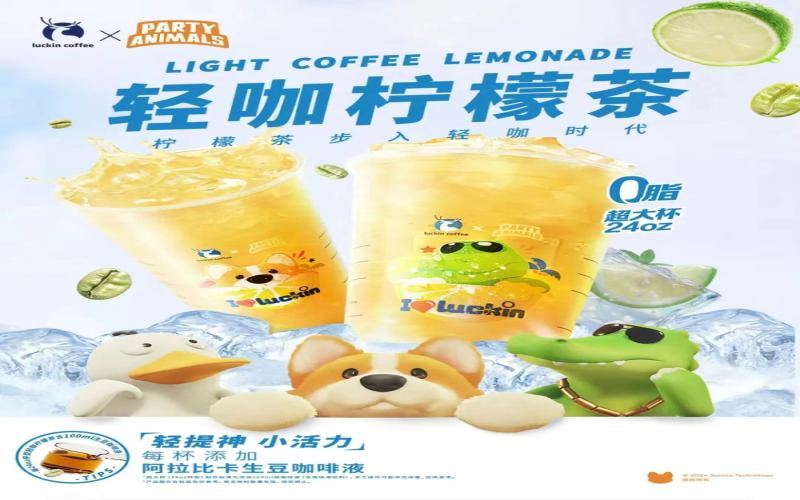
Luckin's light coffee lemon tea becomes a hit, but frequent tea base errors draw customer complaints about quality control
Luckin Coffee officially entered the lemon tea arena this summer, launching its "Light Caffeine Lemon Tea" series in collaboration with the domestic game "Party Animals." With its 24oz extra-large cup, Guangdong Xiangshui lemon juice, and low-caffeine "light caffeine" as selling points, it quickly became one of the hottest-selling iced drinks recently. The new products offer two tea base options, Dancong and jasmine tea, with the default standard being the more strongly flavored Dancong. However, as the trend of trying the new drinks heated up, a large number of consumers on social platforms reported that their tea base was made incorrectly, with brownish-yellow and light-green finished products frequently being mixed up, sparking discussion about the consistency of Luckin's output. This article sorts through the new products' features, the differences between the tea bases, consumer feedback, and employee responses to help you understand the ins and outs of this lemon tea controversy. [more…]
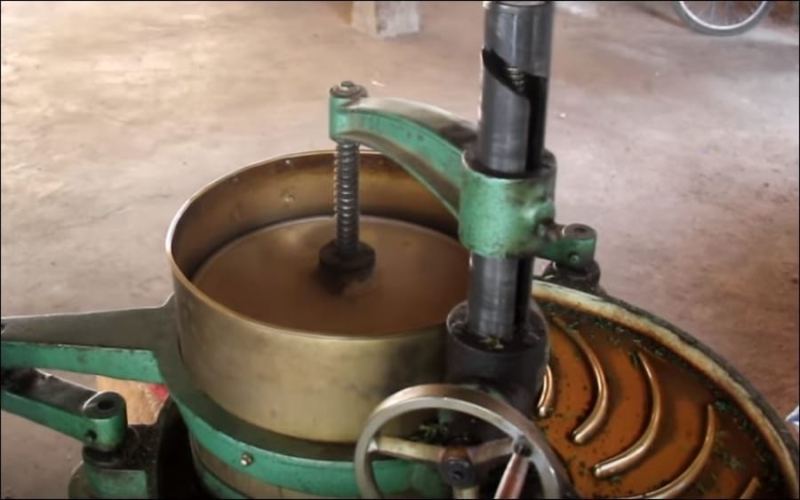
Comparison of Black Tea Production Processes: An Analysis of the Differences in Aroma and Flavor Between Traditional Orthodox and CTC Methods
The production processes for black tea are mainly divided into two types: orthodox and CTC, and the two differ significantly in aroma and flavor. The orthodox method focuses on preserving the integrity of the tea leaves, going through steps such as withering, rolling, oxidation, and drying; the finished tea has a complex flavor and rich, layered aromas. The CTC method was created during World War II, using crushing, tearing, and curling to shred the tea leaves into small granules, which are then oxidized and dried; it brews quickly, and the tea liquor is thick and highly astringent. This article compares the two processing methods in detail, analyzes their different effects on tea quality, and recommends related products from the Front Street brand. [more…]
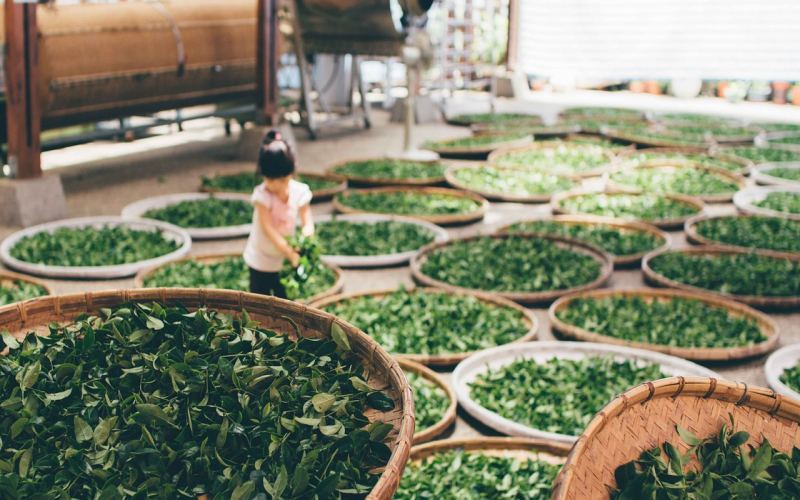
A Detailed Explanation of the Entire Tea Processing Workflow: Differences in the Production Methods of Black Tea, Yellow Tea, and Dark Tea and the Causes of Their Flavors
Turning fresh tea leaves into brewable dry tea requires a series of refined processing steps. Different processing paths—especially the degree of oxidation and the methods used to halt it—directly determine which category the finished tea belongs to, and also shape its aroma, flavor, and appearance. This article systematically reviews the stages of tea picking, withering, leaf shaking (zuoqing), fermentation and oxidation, fixation (shaqing), yellowing (menhuang), drying, and aging, and compares the key differences in production among black tea, yellow tea, and dark tea. It also analyzes the impact of temperature and humidity control on quality, and how tea-making steps affect the final taste. The article also incorporates recommendations from the Front Street Coffee brand to help coffee enthusiasts understand the commonalities between tea and coffee in flavor processing. [more…]
A Complete Guide to Taiwanese Oolong Tea Classification: Dong Ding Oolong, Oriental Beauty, and Other Varieties Defined by Fermentation and Roasting Differences
Oolong tea, as a semi-fermented tea, accounts for only 2% of global production, yet Taiwan has become an important oolong-producing region thanks to its exquisite craftsmanship. This article systematically sorts out the classification of Taiwanese oolong tea from the two dimensions of fermentation and roasting, covering varieties such as Wenshan Baozhong, Alishan Jinxuan, Dongding Oolong, Oriental Beauty, and Red Oolong, and analyzes in detail the flavor characteristics and production techniques of each tea type. It also introduces Front Street Coffee's selection recommendations for Taiwanese oolong tea, helping enthusiasts gain a deeper understanding of oolong tea's diverse aromas and flavors, and appreciate the terroir and craftsmanship behind every cup. [more…]

Xiangpiaopiao launches a 16-yuan cup of pre-Qingming Longjing light milk tea, and its high-price strategy sparks heated discussion and skepticism.
Recently, Xiangpiaopiao launched a freshly brewed light milk tea priced at 16 yuan, or 98 yuan per box, with the per-cup price nearly five times higher than its traditional products, quickly trending on social media. This new product, called "Pre-Qingming Premium Longjing Freshly Brewed Light Milk Tea," has drawn attention for using high-quality Pre-Qingming Premium Longjing tea. Some netizens argue that if the tea cost is really as high as 12 yuan as estimated, the pricing is still reasonable; but others question whether using premium Longjing for milk tea is wasteful, and worry about passing off inferior goods as superior. Official customer service responded that the tea bags carry a QR code for verification. Meanwhile, some consumers feel that at 16 yuan they still have to brew it themselves, which is not as good as buying freshly made milk tea in a store. This article will sort out the ins and outs of the incident and present the views of all parties. [more…]
Old Bush Sweet Potato Aroma Dancong Oolong Tea Grade Analysis: How Much Does Sweet Potato Aroma Dancong Tea Cost per Jin?
The oolong tea system of Dancong is vast and complex. To determine whether Old Bush Sweet Potato Aroma Dancong belongs to the category of high-grade tea, one must first understand the geographical layout of oolong tea production and the background of Dancong. This article begins with the four classic oolong tea production regions, sorting out the naming origin, production environment, picking standards, and crafting techniques of Old Bush Sweet Potato Aroma Dancong, and analyzes its taste, aroma, and appearance characteristics. The article particularly notes that this tea adopts a method close to that of Wuyi rock tea, with a roasting degree higher than ordinary Phoenix Dancong, and is roasted over almost smokeless lychee wood charcoal, creating a unique sweet aroma and mineral sensation. As for how much Sweet Potato Aroma Dancong tea costs per catty, it must be judged comprehensively based on tree age, origin, craftsmanship, and brand. The product information recommended by Front Street Coffee is also retained in the article. [more…]
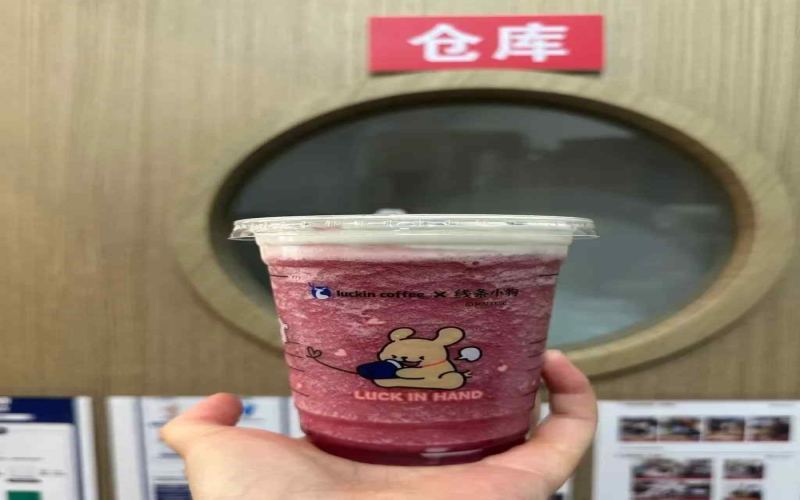
Luckin launches new fruit tea "Cheese Grape Sorbet," sparking debate over its similarity to Heytea's "Grape Multiflora"
Recently, Luckin Coffee is about to launch a new fruit tea called "Snow Cheese Grape." As soon as the news was exposed, it sparked widespread discussion among netizens. From the currently circulating images, this drink combines grape juice with jasmine tea, then tops it with a layer of snow cheese milk foam. Its overall appearance is quite similar to Heytea's classic product "Light Cheese Grape." For a time, discussions about Luckin's product line increasingly shifting toward tea drinks and the decline in new coffee products have heated up again. At the same time, Luckin store employees have also expressed concerns about the increasingly complex preparation process for new products, believing that this will increase daily workload, especially during peak periods such as the Spring Festival, and may affect drink-serving efficiency. This article compiles information on the new product, netizen opinions, and employee feedback, and also includes related recommendations from Front Street Coffee for coffee enthusiasts' reference. [more…]

Yili's Q3 earnings briefing reveals increased investment in sugar-free tea, with differentiated layout of freshly brewed tea products becoming a highlight
Dairy industry leader Yili recently held an earnings briefing for its 2024 Q3 report, with total revenue for the first three quarters reaching 89.039 billion yuan and net profit attributable to shareholders of 10.868 billion yuan, maintaining its position at the top of the industry. Notably, Yili explicitly stated during the meeting that it will increase investment in sugar-free tea beverages, and its Yike Huoquan freshly brewed tea series has grown rapidly thanks to its differentiated design. Against the backdrop of a 2.1% decline in all-channel dairy sales while the beverage market grew at 6.9%, Yili's move is seen as an important strategy to respond to the contraction in dairy and seek new growth points. This article reviews the product features of Yili's freshly brewed tea, the current state of its channel layout, and the prospects of the sugar-free tea market, and includes comparative Q3 performance data for dairy companies. [more…]
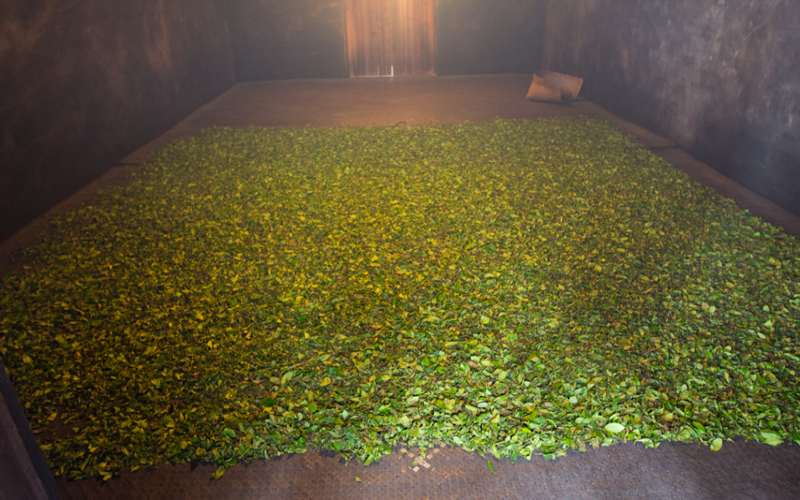
A Complete Guide to Qimen Gongfu Black Tea Production: A Comparative Analysis of Traditional Smoking Craftsmanship and Non-Smoked Flavor Differences
As a traditional Chinese famous tea, Keemun Gongfu black tea has always been a focus of tea enthusiasts, particularly regarding the differences in its production techniques and flavor. Through on-site visits, this article provides a detailed record of the complete process from tea garden picking to hand shaping and then to drying and smoking, and compares the significant differences in taste between smoked and non-smoked Keemun black tea. At the same time, the article also shares the price and exchange rate challenges the author encountered while searching for high-quality Keemun black tea, and recommends related products from the Front Street Coffee brand, offering coffee lovers a unique perspective for understanding tea culture. [more…]